The Kip McGrath Assessment
What happens in an assessment?
We are asked this question a lot- often so that parents can let their children know what to expect.
It does vary a little depending on the age of the child, so this a rough guide and remember one size does not fit all!
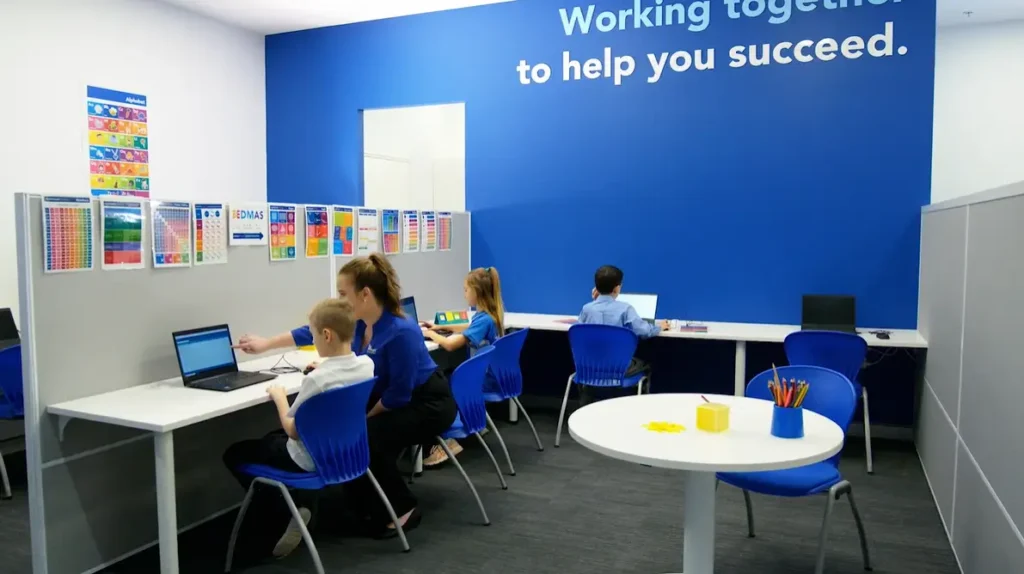
When you arrive you will be shown into the centre by the tutor or manager who is assessing (usually Vanessa or Sally). Depending on what time this is we may or may not have sessions taking place at the time. Parents will then be asked to wait outside in the reception area whilst the assessment takes place. We have a folder of information for you to read and you are welcome to use the Wifi!
Primary aged children – English assessment
The purpose of the assessment for us, is to determine current levels of reading, spelling and comprehension, we can then build their customised lesson plan at the right level in all three of these areas. The reading assessment takes the form of a list of words that we simply ask the child to read out loud to us, if they are struggling to get started then we will change the task to an easier list- our intention is never to cause stress or worry to the child. This will give us a ‘reading age’ that we will pass on to you at the end and gives us a starting point for the texts we will give them to read in their lesson. We also assess their spelling in term of a year level, so if they are in year 4 we would assess year 3 spelling to begin with then depending on how they do either move onto year 4 or maybe year 2. Again, we will give you the results of that at the end. We will then begin work on the words for the year they are working towards achieving. Comprehension is also assessed in terms of an age which we will feed back to you and plan around accordingly.
Primary aged children – maths assessment
We assess maths by giving children an ‘end of year’ level assessment which contains a variety of questions on the core content taught during that year at school. We usually start a year below their current year and take it from there. The sole purpose is to help us identify the gaps in the knowledge and plan the starting points, it’s never intended as a judgement on them or their school/ ability. We often find that older children (Y6 onwards) need to start at the year 4 point as that is when fractions and decimals are first taught.
Secondary English
Depending on the age of the student it may or may not still be appropriate for us to test their reading age/ level but if we have concerns about it then we will. For students in year 11 who want help with their GCSE English preparation, we ask them to complete a sample GCSE question so we can get a sense for the quality of their writing and plan their first lesson accordingly. We are not able to give an accurate ‘working at grade’ for GCSE English. We also carry out a spelling test so that we can add the appropriate level of spelling work into their plan.
Secondary maths
We will choose a starting point to assess maths at for secondary students depending on their year, set and target grade as attainment levels in maths vary hugely across a single cohort. We then make adjustments depending on how they do. It’s not uncommon for us to need to start on year 4 (primary) if we have students who are really struggling as this corresponds to a GCSE grade 1 in terms of content. Higher students will start anywhere between year 7 (grade 4) and year 10 (grade 7). The lessons themselves will then evolve week by week so the purpose of the assessment is to establish starting points and doesn’t limit students to staying at a certain level.
The purpose of the assessment as far as we are concerned is to establish starting points and to show you the centre (or online platform if done online) and to give you a sense of what we will include in lesson plans. For you it’s a chance to see the centre, meet us and ask any questions regarding the tuition. There is no charge for assessments as it’s a no obligation consultation to find out what we both need to know before starting.